
How We Fix Leaning Retaining Walls and Failing Brick Structures
Understanding the Root of the Problem When a retaining wall starts to lean or crack, or a brick structure begins to shift or crumble, it is not simply a cosmetic issue. It is a structural warning. These are signs that the original build has been compromised, usually by time, weather, poor materials, or bad design. In some cases, multiple factors are working together to create stress on the structure until it gives way. In Des Moines, we see this most often after harsh winters or long rainy seasons. Freezing temperatures expand moisture in the soil. That frost heave pushes on walls and foundations from underneath and behind. As temperatures rise and the water thaws, it shifts again, weakening the base even further. If the original drainage was not properly designed or if the footings were shallow, that structure will not last long under these conditions. Our job is not just to stop the visible failure. We start by diagnosing the exact cause so we do not simply patch the symptoms. This is where most contractors cut corners. They repair what is visible and ignore what caused it. That approach guarantees the wall will lean again or the structure will continue to settle. Common Causes of Retaining Wall and Brick Structure Failure We rarely see just one issue at play. Here are the most common problems we deal with when assessing a failing wall or brick structure: Each of these issues affects the way a wall carries weight and resists pressure. Water is usually the starting point. Once it seeps behind a wall or into mortar joints and freezes, the expansion begins pushing brick out of alignment. If it finds its way underneath, the footing starts to shift. Everything else follows. Fixing Drainage First Before we ever rebuild a wall, we make sure the conditions around it will not destroy it again. That starts with drainage. Without a clear path for water to escape, even the best-built wall will eventually fail. We install gravel backfill, proper sloping behind the structure, perforated drainpipes when needed, and weep holes for ventilation and water escape. If the project allows for it, we may redirect surface runoff away from the structure as well. Every project is different, but the goal is always the same: make sure water does not sit behind or beneath the wall. Structural Repair and Reinforcement Once we have addressed drainage and soil issues, we turn to the wall or structure itself. If the lean is mild and the wall is still structurally sound, we may be able to reinforce it using tie-backs or hidden anchors. In other cases, partial or full teardown is necessary to rebuild the wall from the footing up. We pour deep concrete footings when needed, set proper reinforcement inside the wall, and rebuild using materials suited to the site. For historic or decorative structures, we salvage and reuse the original brick wherever possible to maintain visual consistency. If we are dealing with a failing brick column, fence, or porch feature, we inspect the mortar and integrity of the bricks themselves. Repointing might be enough in some cases, but more often we need to stabilize the base and rebuild sections with new support underneath. In short, we build it like we were going to live with it ourselves. No shortcuts. Matching Materials and Preserving Style We take brick matching seriously, especially in historic neighborhoods where mismatched repairs stand out for all the wrong reasons. We do not rely on generic big box materials. We use reclaimed brick when necessary or carefully match the color, size, and texture to blend the old with the new. Even if we are tearing down a failed wall, we salvage as much of the original brick and stone as possible. We cut clean transitions between old and new work, and make sure the pattern, joints, and finish are consistent. This is one of the reasons people in Des Moines call us specifically. We understand that a wall needs to hold weight, but it also needs to look right when it is done. Preventing Future Problems Every fix we do comes with long-term stability in mind. Once the wall or structure is standing strong again, we look at the surrounding landscape and make final adjustments to prevent the same problems from creeping back in. That could mean adjusting grading, trimming nearby tree roots, sealing exposed surfaces, or coaching homeowners on proper seasonal maintenance. We are not trying to patch your wall for a year or two. We want it to last for decades. And if something was built poorly the first time, we will not repeat those mistakes in the rebuild. Clear Communication from Start to Finish We do not make promises we cannot keep. If your wall needs to come down, we will tell you. If it can be fixed without a full teardown, we will explain why. You will know the cost before we begin and the timeline it will take. We work clean, we stay on schedule, and we keep you in the loop until the final cleanup is done. This work can be disruptive, but we minimize that as much as possible. We know this is your home, and we treat the job with the respect it deserves. Call Brickwork Brigade Des Moines Leaning walls and crumbling brick structures do not correct themselves. Waiting often leads to more damage and higher costs. If you have noticed bowing, shifting, or separation in any of your masonry structures, now is the time to take a closer look. At Brickwork Brigade Des Moines, we handle repairs with the care and expertise your property deserves. Let us come take a look, identify the problem at its source, and give you a solution that stands the test of time. Reach out today to schedule a consultation.
Why Brick Matching Matters in Historic Des Moines Homes
Des Moines Homes Have Character Worth Preserving From the brick streets of Sherman Hill to the cozy Tudor-style homes near Beaverdale, Des Moines carries an architectural identity you cannot buy at a big box store. That charm is built brick by brick, sometimes a hundred years ago or more. So when repairs are needed, especially to brickwork, there is more at stake than just fixing a problem. There is a legacy to protect. Not All Bricks Are the Same Older bricks were often made from local clay and fired in small batches. This process resulted in subtle variations in color, shape, texture, and hardness. Modern bricks are mass-produced with uniform coloring and machine-cut edges. Mixing the two creates a visual mismatch. Even a slight difference in hue or finish can stand out once the wall or chimney is repaired. And it is not just the bricks themselves. The mortar used in the past was often lime-based and much softer than the cement-based mortars used today. If you patch an old brick wall with modern materials, you risk problems both in appearance and durability. Poor Matches Can Cost You In historic neighborhoods throughout Des Moines, visible mismatches in brickwork can lower your property value or attract scrutiny from preservation boards. Even if your home is not formally designated as historic, a patch that clearly looks out of place creates a poor impression. We have seen it many times. Chimneys capped with modern bricks in a different color. Porch columns rebuilt with mismatched texture. Checkerboard walls from rushed repair jobs. These details might seem minor to some, but they suggest a lack of care that raises questions about the rest of the home. Matching Brick Is a Skill Brick matching takes more than a good eye. It involves knowledge of what materials were used in different eras across Des Moines, where to source reclaimed bricks, and how to alter new bricks to blend seamlessly. Sometimes we locate a match at a salvage yard. Other times we work with suppliers who can replicate older styles. Either way, the goal is not just to find something that is close, but to make the repair invisible. Structural Compatibility Matters Too When bricks and mortar do not align in porosity, hardness, or how they react to moisture and temperature, problems develop. Cracks begin to form. Bricks start to flake or crumble. Moisture gets in where it should not. What looked acceptable at first becomes a bigger issue over time. Matching materials protects your home not just visually, but structurally. The Right Mason Makes All the Difference Some contractors focus only on speed. Others only on appearances. At Des Moines Brickwork Brigade, we combine both. We take pride in making repairs that are built to last and blend in completely. Every historic project we take on is approached with care and craftsmanship. We track down the right materials, use proper methods, and finish the job with an eye for detail. We have helped many Des Moines homeowners who were previously told that no suitable brick match could be found. That is rarely the case. It just takes experience, effort, and a commitment to doing things properly. Let’s Keep Your Home Looking the Way It Should If you need brick repairs on an older or historic home, let us take a look. We will come out, assess the issue, and walk you through your best options. Our goal is to preserve what makes your home special, using methods and materials that respect its original look. Reach out to Des Moines Brickwork Brigade today to schedule a consultation. We are ready to help your home stay strong and beautiful for years to come.
Brick Steps Starting to Sink? Here’s What That Means
Brick steps are often the first thing guests notice when approaching your home. They add character, curb appeal, and a sense of permanence. But when those steps start to sink or pull away from your foundation, it is more than a cosmetic problem. It is a red flag that your masonry is in distress and ignoring it could lead to bigger and more expensive issues down the line. Let us break down what is really going on under your sinking steps and what can be done about it. What Causes Brick Steps to Sink? There are a few key culprits behind sinking brick stairs, and most of them have to do with what is happening beneath the surface. Poor Base PreparationIf your steps were not built on a properly compacted and leveled base, they were essentially doomed from the start. Loose soil, construction debris, or insufficient support under the concrete pad or masonry can all cause settlement over time. Water Intrusion and ErosionWater is enemy number one when it comes to masonry longevity. When rainwater runs off your roof or down your driveway and settles at the base of your steps, it starts to erode the soil underneath. Over time, this leads to voids beneath the structure. That is when steps begin to shift, crack, or lean. In Iowa’s freeze-thaw climate, trapped water can expand and contract repeatedly during winter, making the damage worse. Tree Roots and Soil MovementDes Moines yards often have mature landscaping that adds charm but can cause trouble. Tree roots may push against brickwork or displace soil below. Likewise, clay-heavy soils can expand when wet and shrink during dry spells, creating movement beneath your steps. Structural Weakness in Mortar or MaterialsIn some cases, the bricks themselves are fine but the mortar has started to deteriorate, causing the structure to weaken and lose its shape. This can also happen if lower-quality bricks or old concrete were used, which are not equipped to withstand Iowa’s tough climate over the long haul. Is It Dangerous? In many cases, yes. Sinking steps are more than a visual problem. They can become unstable, slippery, or uneven, which increases the risk of trips and falls. This is especially concerning for children, older adults, or anyone with mobility concerns. From a structural perspective, steps that pull away from your home or lean unevenly can also indicate foundation issues or moisture problems that affect the rest of your masonry. Catching and repairing this early can prevent costly repairs later. What a Mason Looks For When a professional mason inspects sinking steps, they are not just looking at the surface cracks. They assess the base beneath the stairs, drainage patterns in the area, signs of water pooling, soil movement, and whether nearby structures like porches or walkways are also shifting. They also look at the condition of the bricks and mortar to determine whether spot repairs are possible or if a full rebuild is required. Repair Options The right repair depends on how far the damage has progressed. Do Not Wait Until It Gets Worse Many homeowners wait until the steps are visibly crumbling or nearly unusable before they call for help. That delay often turns a basic repair into a more complicated and costly rebuild. If your brick steps are beginning to sink, tilt, or pull away from your home, now is the time to act. Let’s Fix It Before It Becomes a Bigger ProblemAt Brickwork Brigade Des Moines, we assess and repair sinking masonry with care and precision. Whether you need a simple reset or a complete rebuild, we will get your steps solid, safe, and looking great again.Give us a call today to schedule your estimate.
What Homeowners in Des Moines Need to Know About Chimney Maintenance and Masonry Repair
A sturdy chimney is more than just a charming feature on your home. In Des Moines, where the winters can be long and the weather unpredictable, your chimney plays a critical role in keeping your home safe and warm. But here is the problem; most homeowners overlook their chimney until something goes wrong. By then, the damage is usually worse than it needed to be, and the repairs are more expensive than they should have been. This post breaks down what you need to watch for when it comes to chimney maintenance, why regular masonry inspections matter, and how to spot early warning signs before they turn into major repairs. Why Chimneys Are Vulnerable in Iowa’s Climate Chimneys are exposed to the full force of the elements. That includes rain, wind, heat, freezing temperatures, and moisture cycles. All of this causes wear and tear on both the bricks and the mortar that holds them together. Over time, even the strongest chimney will begin to show signs of stress. The freeze-thaw cycle is especially brutal. When moisture seeps into tiny cracks and freezes, it expands and pushes those cracks wider. This eventually causes bricks to chip, crack, or even fall loose. The mortar around those bricks starts to break down, weakening the entire structure. Without intervention, this natural process can lead to serious structural damage and even become a fire hazard. Common Chimney Problems in Des Moines Homes Preventive Maintenance Is Always Cheaper Chimneys do not heal themselves. Once damage starts, it only spreads with time. The cost of a professional inspection and some minor tuckpointing or brick replacement is a fraction of what you would pay if the entire structure needs to be rebuilt later on. Annual inspections, especially after a rough winter, go a long way toward preserving your chimney’s life. A professional can spot weak points you might not see from the ground and take care of small problems before they turn into major ones. When to Call a Mason Here are a few clear signs it is time to bring in a professional mason in Des Moines: Even if you are not sure how serious the issue is, it is worth getting it checked. Masons can assess the damage and recommend the right level of repair without pushing unnecessary work. Keep Your Chimney Safe, Sound, and Standing Tall Your chimney is one of the most exposed and essential parts of your home. Ignoring minor signs of wear can lead to major headaches down the line. But with regular maintenance and timely repairs, you can keep your chimney looking good and working safely for decades. If you have concerns about your chimney or want a professional opinion before winter hits, reach out to Brickwork Brigade Des Moines today. Our team offers honest assessments, quality craftsmanship, and peace of mind for homeowners throughout the area. Let us help you keep your chimney standing strong.
Why You Shouldn’t Ignore Small Cracks in Your Brickwork
In a place like Des Moines, where homes are exposed to dramatic temperature swings, heavy storms, and freeze-thaw cycles, your brickwork takes a beating over time. And yet, many homeowners brush off the early signs of damage, especially small cracks in their brick or mortar joints. These fine lines may not seem like much, but the reality is that even minor cracking can be the first visible sign of a deeper issue. Understanding what these cracks mean, why they form, and how to address them early is one of the most important steps you can take to preserve the structure and safety of your home. In this post, we will break down why cracks develop, what types are most concerning, and how acting early can prevent costly repairs later. The Nature of Brick and Mortar Brick is a remarkably durable material. It has been used in construction for centuries for a reason; it lasts. But no material is immune to environmental stress. While bricks themselves tend to hold up well, the mortar that binds them together is more vulnerable to deterioration over time. Temperature shifts, moisture, vibration, and natural settling all contribute to tiny stress fractures. These often show up first as thin vertical or horizontal cracks, commonly near window sills, corners, or along stair-step patterns in the joints. These cracks can seem minor at first glance. But what they really indicate is movement, either in the brick structure itself or in the foundation beneath it. Cracks Are a Clue, Not Just a Cosmetic Flaw A lot of people assume that if a crack is small, it must not be a big deal. The truth is, cracks often reveal problems that are invisible to the untrained eye. They may be the result of a shifting foundation, rusting steel lintels, poorly installed brickwork, or mortar that has broken down from years of weather exposure. In other words, a crack is not just something that looks bad—it is something that often means something. It is your home’s way of letting you know that part of its structure is under strain. Moisture Will Exploit Every Weak Point Once a crack forms, even a very small one, it opens the door for moisture to creep in. Water does not need much space to work its way into a wall cavity. And once it is inside, it can trigger a cascade of damage. Mortar softens, brick faces flake off, insulation becomes wet, and wood framing starts to rot. Worse still, during colder months, that trapped moisture can freeze and expand, forcing the crack wider and doing even more damage in the process. One of the most frustrating things about moisture damage is that it often remains hidden until it becomes severe. By the time you notice bubbling paint indoors or bricks visibly crumbling outside, the underlying damage has likely been progressing for months or years. When to Worry About Cracks in Your Brickwork Not every crack means your home is in danger, but you should never guess. If you see cracks wider than a hairline, cracks that widen or lengthen over time, or cracks near the corners of windows and doors, these may indicate structural movement that needs to be addressed. Similarly, stair-step cracks in brickwork are often a red flag for foundation issues. Other signs to look out for include: • Doors or windows that stick or no longer close properly• Gaps appearing between bricks or around window frames• Cracks that reappear after being repaired previously• Water intrusion in the same area as visible cracks If any of these apply, it is best not to wait. A professional inspection can determine whether the problem is minor or something more serious. Early Repairs Keep Costs Down The cost difference between fixing a few cracks and rebuilding a damaged wall is enormous. Small repairs might involve repointing a few joints or replacing several bricks. When caught early, the work is straightforward and contained. But if left alone, minor cracks can grow, moisture damage can spread, and the structural integrity of the wall can decline rapidly. At that point, repairs become far more extensive and expensive. It is not uncommon for homeowners to delay calling a mason until the damage becomes impossible to ignore. By that time, the repair often involves structural reinforcement, full sections of demolition, or extensive waterproofing. The earlier you intervene, the simpler the fix. Call Brickwork Brigade Des Moines We are here to help before things get worse. Our team has years of experience diagnosing and repairing cracked brickwork throughout the Des Moines area. Whether you need a few mortar joints replaced or you are looking at a more involved repair, we will give you a clear, honest assessment and do the job right. Reach out today and let us take a look before those small cracks become big problems.
The Complete Guide to Chimney Masonry Repair in Des Moines
If you’ve noticed bricks crumbling around your chimney, a white streak of efflorescence staining the surface, or cracks forming along the crown or sides, don’t ignore it. In Des Moines, chimney damage isn’t just cosmetic—it’s a warning sign that your home might be vulnerable to structural issues, moisture intrusion, or even fire hazards. This guide walks you through everything you need to know about chimney masonry repair in Des Moines: what causes the damage, what your options are, and why hiring a team that actually understands historic brick and local weather conditions matters. Why Chimney Damage Happens More Often in Iowa Des Moines homeowners deal with a tough climate. The extreme temperature swings, heavy snow, and freeze-thaw cycles wreak havoc on masonry. Your chimney—being the most exposed vertical element of your home—is hit the hardest. This is compounded by Iowa’s heavy precipitation in spring and snow loads in winter—both of which introduce significant moisture into your brickwork. Warning Signs You Need Chimney Repair Most chimney issues creep up slowly. Here’s what to look for: Spotting these early can save you from a full rebuild later. Our Chimney Masonry Repair Process At Brickwork Brigade, we approach chimney repair with precision. Every repair starts with a full inspection so we can assess both visible and hidden damage. Here’s what a typical chimney job in Des Moines involves: 1. Tuckpointing We grind out damaged mortar joints and replace them with mortar matched for color, strength, and permeability. This not only strengthens the structure but also keeps the appearance consistent. 2. Brick Replacement Badly damaged bricks are removed and swapped for closely matched salvaged bricks. Matching old Des Moines brick can be tricky, but we’ve got sources that most don’t. 3. Crown Repair or Rebuild The chimney crown (the top slab) keeps water out. If it’s cracked, we’ll either repair or replace it with a custom-poured concrete crown built with proper slope and overhang. 4. Chimney Cap Installation We install stainless steel or copper chimney caps to keep out water, debris, and animals. 5. Flashing Inspection & Repair Where the chimney meets the roof, flashing needs to be watertight. We repair or replace flashing as needed. 6. Waterproofing We apply a breathable water-repellent sealant that helps prevent further moisture intrusion without trapping vapor. Real Projects in Des Moines Cost Breakdown: Chimney Masonry Repair in Des Moines Service Typical Cost Range Time Required Chimney Tuckpointing $750 – $2,000 1–3 days Brick Replacement $300 – $800 1–2 days Crown Repair/Rebuild $500 – $1,200 1–2 days Chimney Rebuild (partial) $1,500 – $4,000 3–5 days Full Chimney Rebuild $4,000+ 1–2 weeks Flashing Repair $150 – $500 1 day Chimney Cap Installation $150 – $300 1 day Waterproofing & Sealing $300 – $700 1 day Every chimney is different, and we price accordingly—but we always give you a clear estimate with no hidden surprises. Why Des Moines Homeowners Choose Brickwork Brigade We’re not the cheapest, but we are the most thorough. And in chimney work, that matters. Common Questions We Hear Can you match my old brick exactly? Often yes, especially if it’s a common Des Moines clay brick. When needed, we pull from local salvage yards or custom-tint new brick for a close match. How long does chimney repair last? Proper tuckpointing and brick replacement can easily last 20–30 years or more—especially with good drainage and waterproofing. Do I need to stop using my fireplace? Not necessarily. We can assess whether it’s safe to use during repairs, but sometimes it’s best to pause until the work is complete. Will this affect my roof? If your chimney flashing is involved, yes—but we take care of that too. We coordinate with roofing when needed. Call Before Winter Wrecks It Further Chimney damage only gets worse with time—and one more harsh Des Moines winter could turn minor repairs into major headaches. Let’s take a look and give you a plan. Call (515) 400-4147 today or book your inspection online. We’ll keep your chimney standing tall for decades to come. That’s what we do.
Brick Restoration vs. Brick Replacement: What’s Worth Saving in Your Des Moines Home?
Not all bricks are created equal—especially when you compare the ones used in modern construction to those baked a hundred years ago. For many homeowners in Des Moines, the question isn’t whether the brick on their home needs work, but whether it should be restored or outright replaced. The answer depends on the condition of the brick, your home’s history, and what kind of results you actually want. Let’s break down when it’s worth saving your old brickwork, when it’s better to start fresh, and why that decision matters more than you might think. Why This Matters in Des Moines Des Moines is full of beautiful brick homes, many built between the early 1900s and the 1950s. These homes were often constructed with locally made brick, which tends to be softer and more porous than modern varieties. That’s both a blessing and a curse: Factor in Iowa’s brutal freeze-thaw cycles, and you have a city where brick issues are common and getting the fix wrong can wreck both the look and structure of your home. Signs Your Brick Might Be Restorable Not every chipped brick is doomed. Restoration is the way to go if: In these cases, restoration is often faster, cheaper, and more authentic. What Brick Restoration Involves Restoration is a surgical process. You’re not tearing anything down; you’re carefully preserving what’s there. Here’s what we typically do on a Des Moines brick restoration job: This approach keeps the home looking period-correct while strengthening the envelope. When Brick Replacement Is the Better Option Sometimes, restoration just isn’t enough. Full or partial replacement may be necessary if: Replacement can also be the right move for additions or new facades that need to match the rest of the structure—though we always recommend salvaging usable bricks if possible. Why Matching Matters A bad match stands out like a sore thumb. We’ve seen homes where bright orange new bricks were used to patch a faded red wall—and it’s all anyone notices. At Brickwork Brigade, we take brick matching seriously. Our process includes: This makes a huge difference in neighborhoods like Sherman Hill or Beaverdale, where historical character matters. Cost Comparison: Restore vs. Replace Project Type Avg. Cost per Sq. Ft. Time to Complete Longevity (if done right) Basic Repointing $8–$15 2–5 days 20–40 years Full Restoration $15–$25 5–10 days 40+ years Partial Replacement $20–$35 1–2 weeks 50+ years Full Wall Rebuild $40+ 2–3 weeks 70+ years Restoration almost always wins on cost. But if the damage runs deep, replacement saves you from band-aid fixes that keep coming back. Our Rule of Thumb We always try to restore when we can. It preserves character, keeps costs down, and respects the home’s history. But we’re honest: if your bricks are toast, we’ll tell you straight up. Either way, you’ll get a plan that balances longevity, looks, and budget. No guesswork, no corner-cutting. Real Projects in Des Moines Not Sure What You Need? Let’s Find Out. Brick issues aren’t always obvious, and some contractors will recommend replacement just because it’s easier for them. That’s not how we work. We’ll show up, inspect your brickwork, and tell you honestly what’s worth saving. If we can restore it, we will. If it needs more, we’ll lay out your options clearly. Call (515) 400-4147 today or use our quick contact form to book your inspection. When it comes to brick in Des Moines, experience matters—and we bring it by the truckload.
Brick Falling Apart? The Complete Guide to Masonry Repair in Des Moines
If your brick walls are cracking, mortar’s falling out, or parts of your exterior just look rougher than they used to, you’re probably dealing with more than just an eyesore. Masonry repair is one of those home maintenance jobs that’s often overlooked—until it can’t be anymore. In Des Moines, where the seasons swing from deep freezes to sweltering summers, brickwork takes a beating. But getting it repaired the right way does more than fix the problem—it can preserve your property’s value, energy efficiency, and even safety. Let’s dig into what masonry repair really means, how to tell you need it, and what a proper repair process looks like. Why Masonry Fails in Des Moines Des Moines has a lot going for it, but the climate is not kind to brick. Winter freeze-thaw cycles cause expansion and contraction, which stresses mortar joints. Add in Midwest humidity, the occasional summer storm, and the usual settling that comes with age, and you’ve got a recipe for damaged masonry. Common causes of masonry failure in Des Moines include: Signs It’s Time for a Masonry Repair You don’t need to be a contractor to know something’s off. These are the red flags: If you’re seeing any of these, it’s worth having a pro take a look. Early repairs are cheaper and less invasive than waiting until full wall rebuilds are needed. The Difference Between a Patch Job and a Real Fix We’ve been called in to redo a lot of so-called “repairs” in Des Moines. Most of them had two things in common: wrong mortar mix, and no clue what caused the issue in the first place. Good masonry repair starts with a diagnosis. You don’t just slap on mortar—you figure out why the damage happened and stop it at the source. Then you match the existing materials in texture, color, and strength. Our process looks like this: Chimney Masonry Repair in Des Moines Your chimney is often the most exposed part of your home’s masonry—and the one most likely to get ignored. In Des Moines, the freeze-thaw cycle wreaks havoc on chimney caps, mortar joints, and brick faces. We handle everything from tuckpointing to full chimney rebuilds. Common issues include: A damaged chimney isn’t just a risk to your fireplace—it can collapse or leak water into your home’s structure. Tuckpointing and Repointing: What’s the Difference? Both terms are often used interchangeably, but they’re not quite the same: In Des Moines, most residential repair projects are repointing jobs. Tuckpointing is more common on historic buildings or for aesthetic restorations. How Masonry Repair Affects Home Value Curb appeal is just the start. Appraisers, home inspectors, and potential buyers all notice cracked bricks and failing mortar. Worse, ignored masonry can impact energy efficiency by allowing heat or cold air to pass through compromised walls. In neighborhoods like Beaverdale, Sherman Hill, and South of Grand, older brick homes are especially vulnerable—and repairs done with the wrong materials stand out. Hiring a team that knows how to blend old with new matters. We’ve done repairs where the new work actually made the wall look better than it did when built. Recent Des Moines Masonry Repair Projects Don’t Wait—Fix It Right the First Time Masonry problems don’t get better on their own. Whether it’s your chimney, exterior walls, retaining wall, or even patio, repairs done early and done right are a long-term investment. We’re not the cheapest team in town—and we don’t try to be. What we are is thorough, experienced, and honest. If you want a quick quote and a five-year fix, go elsewhere. If you want to work with professionals who treat your home like their own, call us. Call (515) 400-4147 today or use the contact form to tell us what’s going on. We’ll take a look, give you a real opinion, and get to work if it’s the right fit. Masonry repair in Des Moines isn’t just maintenance—it’s protection, preservation, and pride in your home.
Chimney Repair – When Do You Need it?
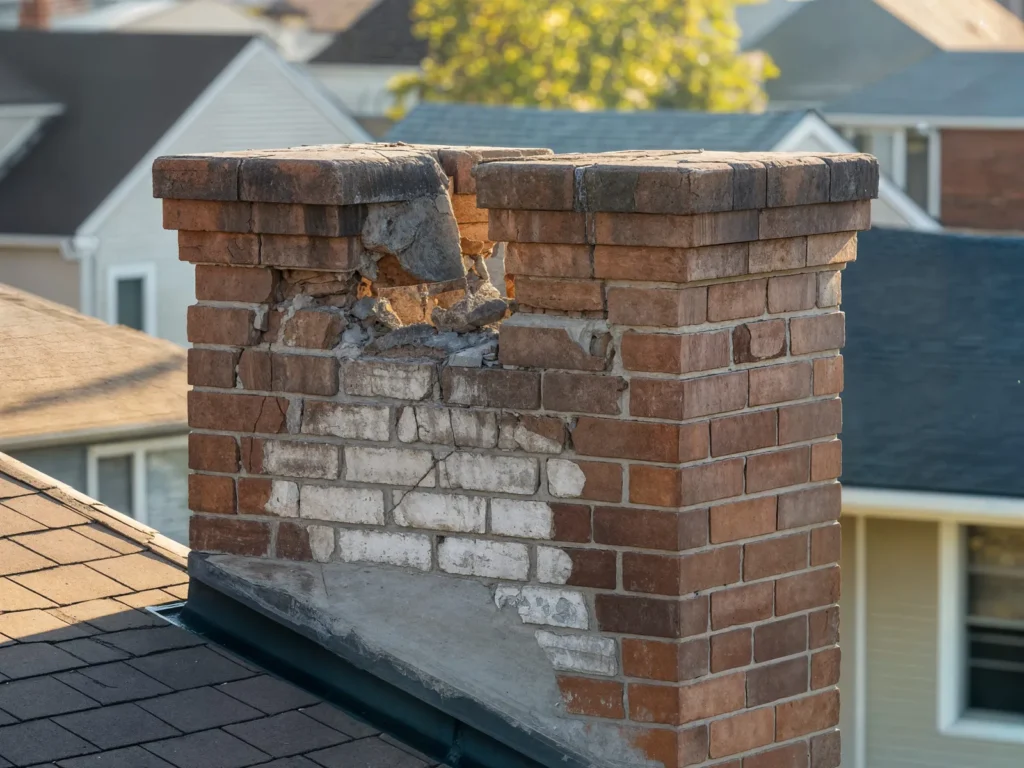
Signs Your Chimney Needs Repair: A Des Moines Homeowner’s Guide Your chimney might seem like the most solid part of your home — after all, it’s built of sturdy bricks and mortar. But Iowa’s unpredictable weather, from harsh winters to heavy rains, can take a toll on even the toughest masonry. Ignoring chimney problems can lead to water damage, crumbling bricks, or even serious safety risks. At Des Moines Brickwork Brigade, we specialize in chimney repairs tailored to our local climate and building styles. Here’s how to spot the early warning signs that your chimney might need repair — and what you can do about it. 1. Cracked or Spalling Bricks One of the most obvious signs of chimney trouble is cracked or spalling bricks. Spalling occurs when the face of a brick flakes or crumbles away, usually because of water infiltration. Iowa’s freeze-thaw cycles can force moisture deeper into your chimney, causing bricks to crack or break apart. If you see any crumbling or missing bricks, it’s time to act. Not only is this unsightly — it’s also a sign that water could be compromising your chimney’s structure. 2. Damaged Mortar Joints Mortar joints hold your chimney’s bricks together, but they’re especially vulnerable to Iowa’s harsh weather. Over time, moisture can seep in, freezing and expanding during cold snaps. This process weakens the mortar and leads to cracks. Look for: Damaged mortar can let even more water in, accelerating the problem. 3. Rusted Chimney Cap or Damper Your chimney cap and damper are the first line of defense against rain and snow. If you notice rust spots, corrosion, or difficulty operating the damper, it’s a red flag that water is getting inside. A rusted cap can let moisture into your flue, causing mold, odors, and even structural issues over time. A properly working chimney cap is essential to protect your home and keep animals out, too. 4. White Staining (Efflorescence) If you see white, powdery deposits on your chimney’s bricks, that’s efflorescence — a sign that water is passing through the masonry. While it might seem cosmetic at first, it means your chimney is absorbing water and could be deteriorating from the inside. Efflorescence is often caused by poor flashing, damaged mortar, or a missing chimney cap. It’s crucial to get it checked before more serious damage occurs. 5. Leaning or Tilting Chimney A chimney that’s leaning or tilting is a serious hazard. This can be caused by: A leaning chimney can collapse unexpectedly, so this is definitely a problem that needs immediate professional attention. Why Choose Des Moines Brickwork Brigade? At Des Moines Brickwork Brigade, we know that Iowa’s weather is tough on chimneys. That’s why we use high-quality materials and time-tested techniques to ensure your chimney repair lasts. From minor tuckpointing to full rebuilds, we’re dedicated to keeping your home safe and your chimney beautiful. Don’t Wait Until It’s Too Late Ignoring small chimney problems can turn a simple repair into a costly rebuild. If you’ve noticed any of these warning signs, contact Des Moines Brickwork Brigade for a free chimney inspection and estimate. We’ll make sure your chimney is ready to handle whatever Iowa’s weather throws at it. [Get a Quote] or [Call Us Now] — let’s get your chimney back in shape!
What To Do About Rusty Lintels
How to Remove Rust from Steel Lintels: DIY or Call a Pro? Steel lintels are an essential part of brick structures, providing critical support over windows, doors, and other openings. But here in Iowa, the combination of moisture, freeze-thaw cycles, and humidity can cause rust to form on steel lintels, leading to unsightly stains and — worse — structural damage. If you’ve noticed rust stains forming on your lintels, you might be wondering: Should I try to fix it myself, or should I call a professional? Here’s what you need to know. Why Rust on Steel Lintels is a Problem When steel lintels rust, it’s not just a cosmetic issue. Rust expands as it forms, putting pressure on the surrounding brickwork. This can lead to: Left untreated, rusted lintels can compromise the integrity of your wall — and repair costs can skyrocket. DIY Rust Removal: The Basics Some homeowners may consider removing rust from steel lintels themselves. Here’s how a typical DIY process might look: While these steps might improve the appearance temporarily, they often only address the surface problem. When to Call a Pro Rust on steel lintels is often a sign of deeper issues — such as: A professional mason will: At Des Moines Brickwork Brigade, we offer comprehensive lintel inspections and repairs to ensure your brickwork stays strong and beautiful — even through Iowa’s harsh winters. Why Choose a Pro in Des Moines? Iowa’s unique climate means that lintels face repeated freeze-thaw cycles, rain, and humidity. Our team uses the right materials and techniques to ensure your repairs last. We understand how Des Moines homes are built and what it takes to protect them from further damage. Don’t Let Rusted Lintels Ruin Your Brickwork If you’ve spotted rust on your steel lintels, don’t wait until the problem gets worse. Contact Des Moines Brickwork Brigade today for a free inspection and repair estimate. We’ll get your home back in shape fast. [Get a Quote] or [Call Us Now] — let’s get started!